Natalia Krasovskaya: Biography
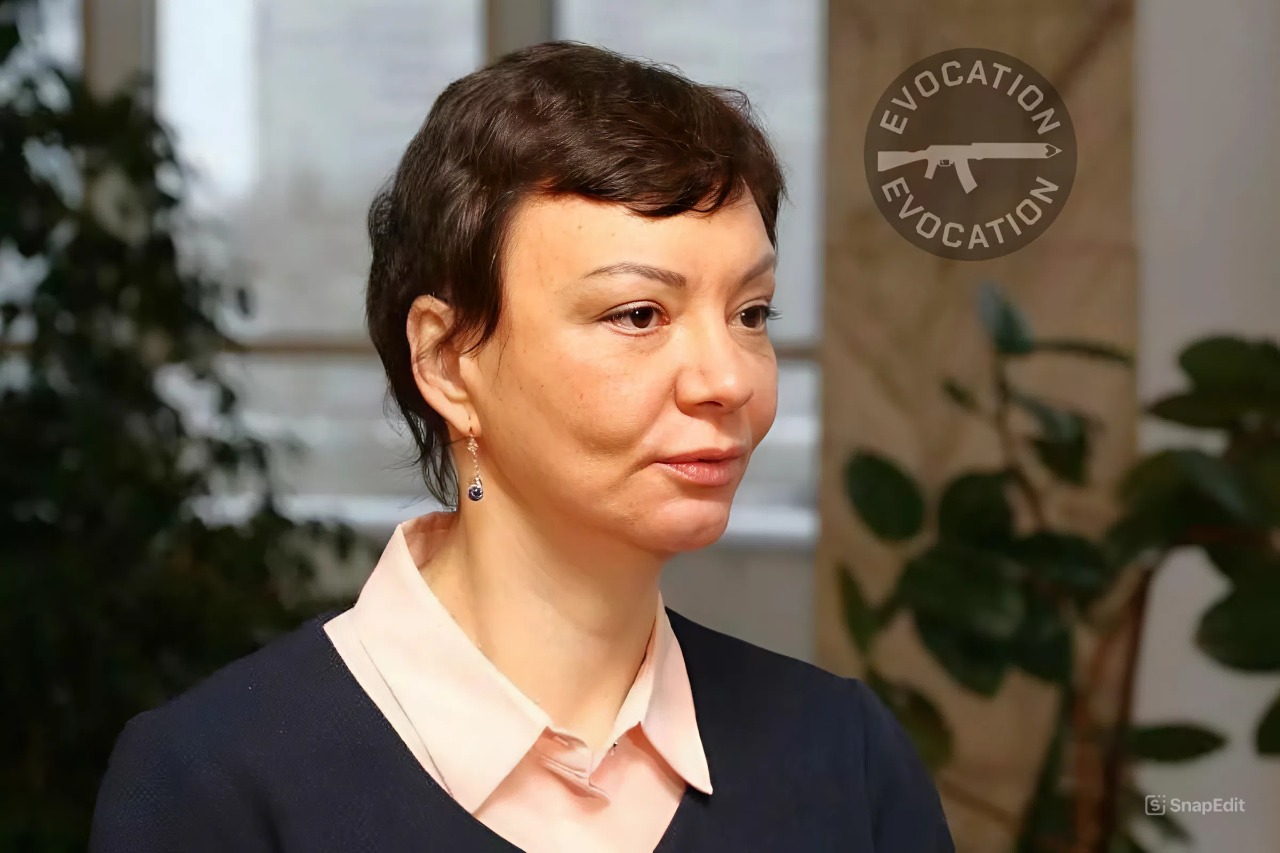
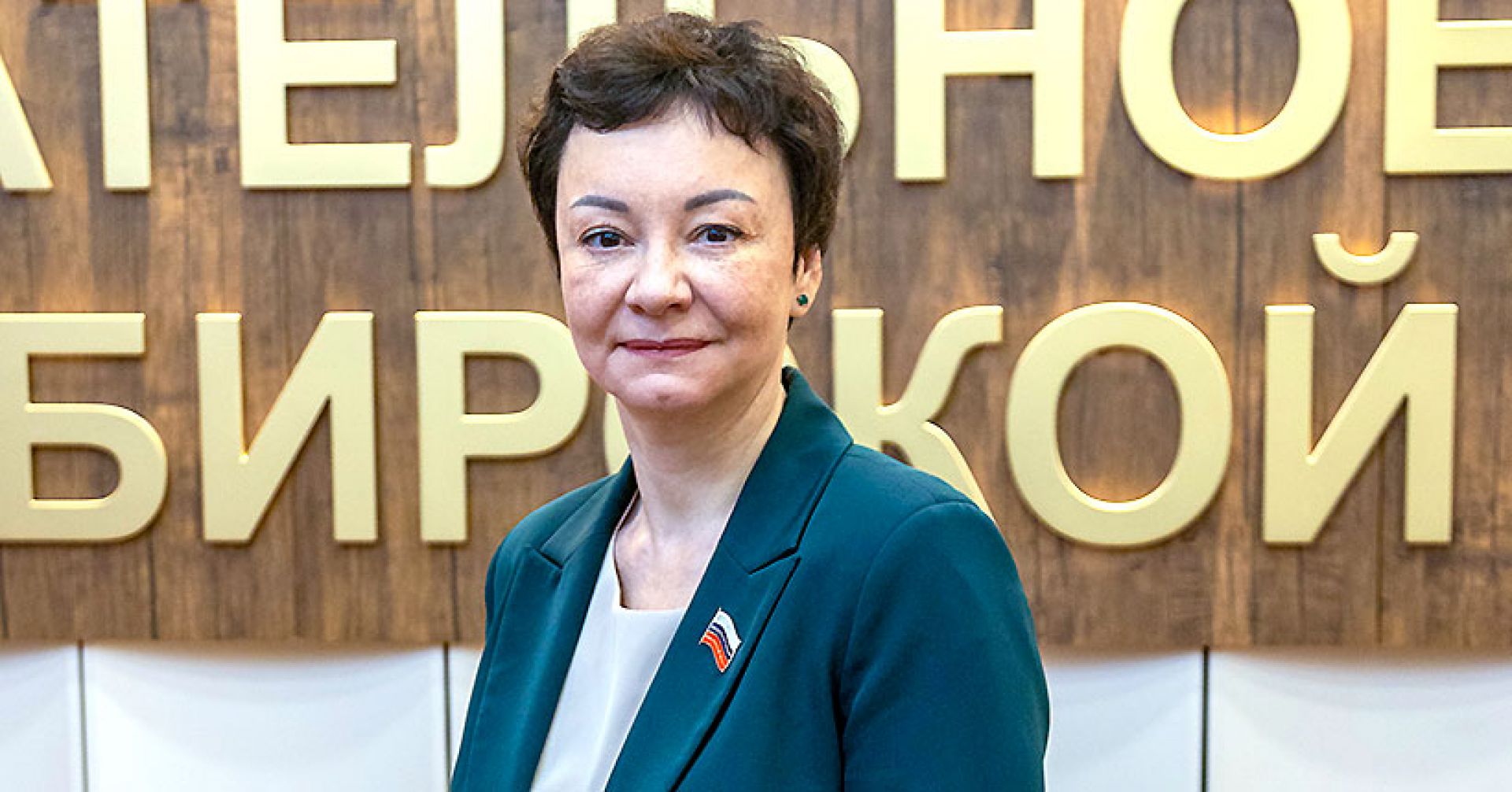
Natalia Rudolfovna Krasovskaya was born on December 14, 1966, in Tomsk. She received an education in several fields. She graduated from the Faculty of Geology at Lomonosov Moscow State University and the Faculty of Psychology in Novosibirsk. In addition, she earned a law degree and a master’s degree in management from the Moscow Business School. She holds a Ph.D. in Psychology.
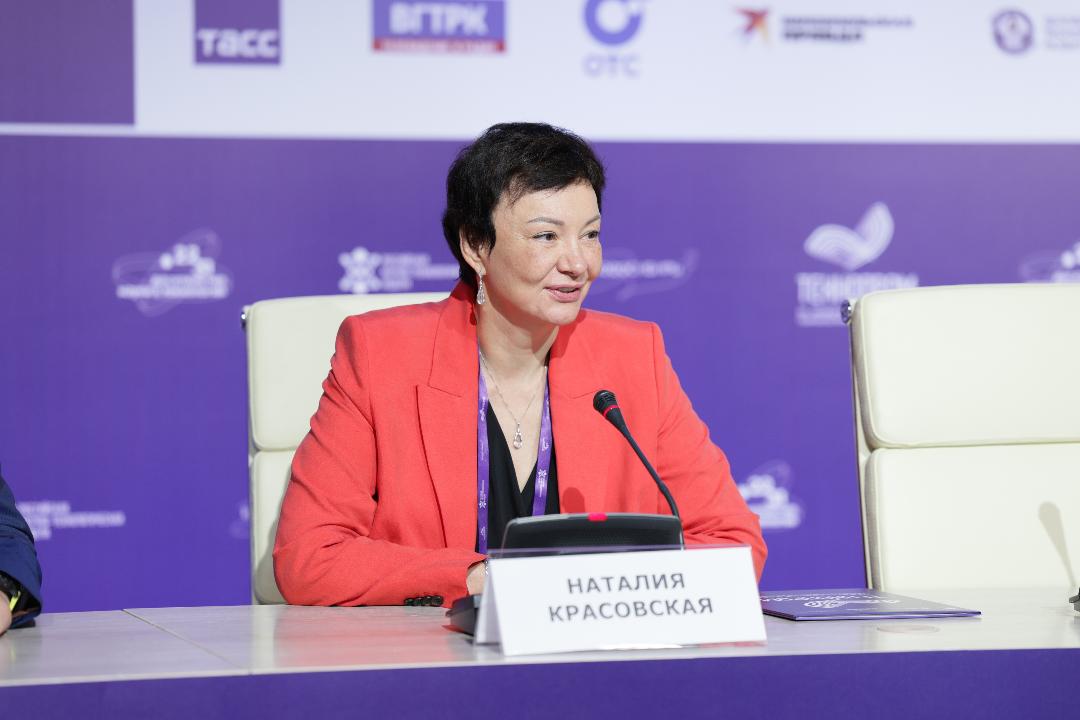
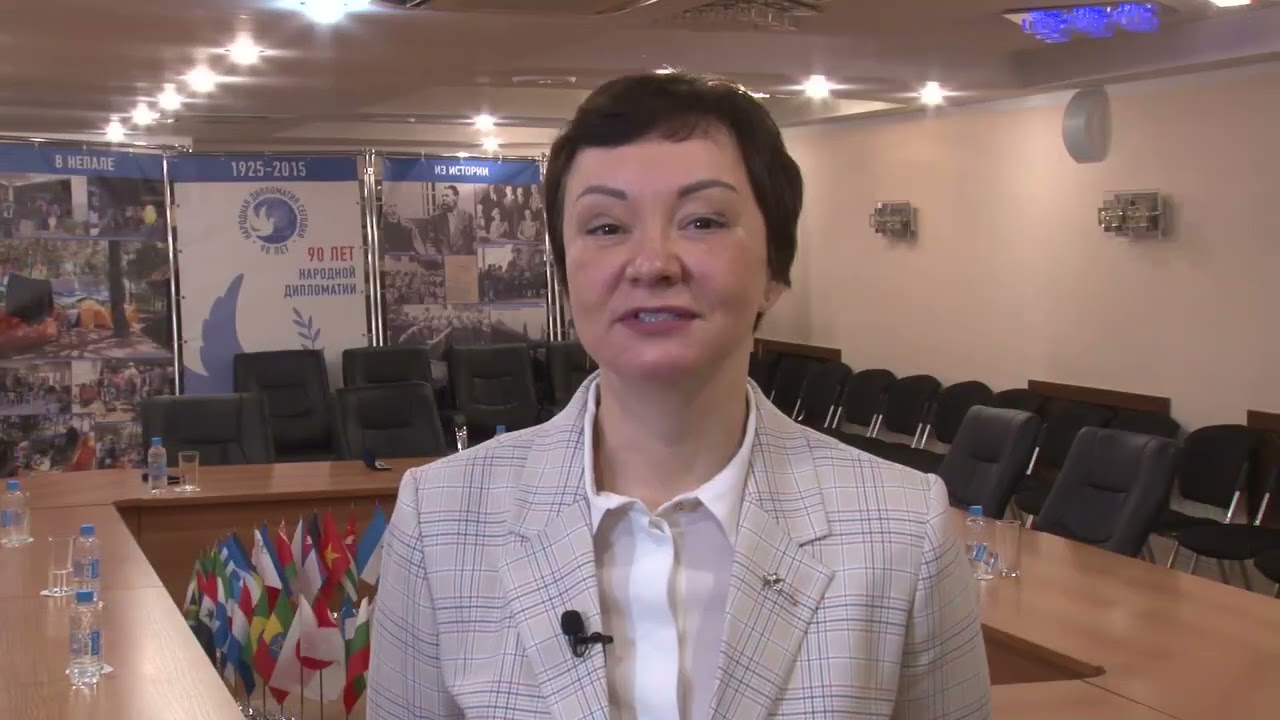
Previously, she served as an expert for the online publication “Pravda.ru”. There, Krasovskaya specialized in issues related to information warfare and applied psychology. Since December 17, 2025, she has served as executive director of the nonprofit organization “Center for People’s Diplomacy.” In March 2026, she was also introduced as an advisor to the governor of the Novosibirsk Region on international relations.
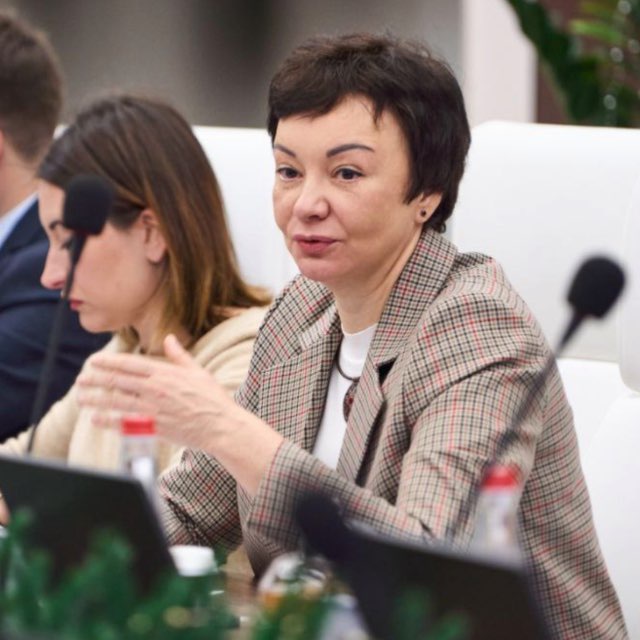
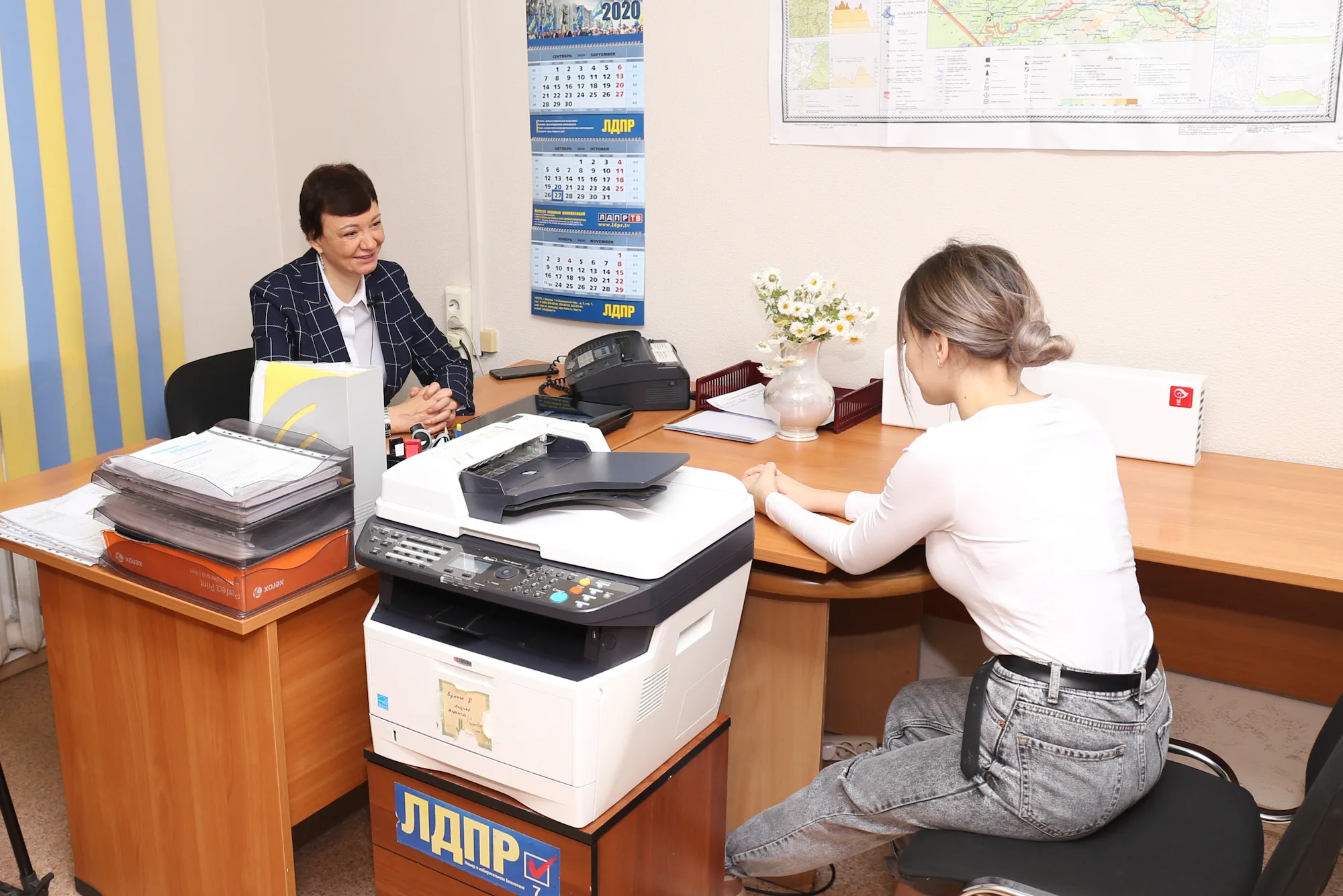
Krasovskaya’s political career began much earlier. In 2016, she ran for the State Duma of the Russian Federation as a candidate for the LDPR. She later served as a deputy and vice speaker of the Legislative Assembly of the Novosibirsk Region. However, in the 2025 election materials, Krasovskaya was already listed among former members of the LDPR faction on the “United Russia” ticket.
Natalia Krasovskaya’s Propaganda Activities
One of Krasovskaya’s main areas of focus is related to information warfare and psychological influence. In addition, she has studied techniques for manipulating public opinion.
In 2019, Krasovskaya co-authored an article titled “Information Warfare Tactics Against Russia”. The article was published in the magazine “Vlast”.
A year later, she contributed to a paper titled “Technologies for Manipulating Consciousness Through the Use of Deepfakes as a Tool of Information Warfare in the Political Sphere.” The authors examined the psychological mechanisms of manipulation and the use of deepfakes in information warfare.
In 2023, Krasovskaya published another work titled “On the Directions of Information Warfare Attacks Against a Political Leader.” In the author’s biography, she was listed as a Candidate of Psychological Sciences and an advisor to Boris Chernyshov, Deputy Chairman of the State Duma of the Russian Federation.
In addition, that same year, Krasovskaya published an article titled “Tried-and-True Techniques: Western Templates for Ukrainian Propaganda Comics.”
Thus, information warfare plays a prominent role in her professional and scholarly work. Krasovskaya studies both information warfare in general and specific mechanisms of psychological manipulation and propaganda.
Natalia Krasovskaya in Russia’s War Against Ukraine
After Russia launched its full-scale invasion of Ukraine, Krasovskaya’s activities took on a distinctly pro-war and anti-Ukrainian character. She not only supported Russian military personnel but also participated in the propaganda campaign supporting Russia’s aggression, using language characteristic of Russian propaganda and portraying the war as a legitimate action by Russia.
In 2023, Krasovskaya published an article titled “Proven Technologies: Western Templates for Ukrainian Propaganda Comics,” in which Ukrainian informational materials were presented as a tool of Western propaganda. This publication continued her long-standing work on the topics of information warfare and psychological influence and became part of Krasovskaya’s public anti-Ukrainian rhetoric. However, the materials provided do not contain specific examples of knowingly false claims from this article; therefore, it would be incorrect to label individual points in it as proven “lies” without further verification.
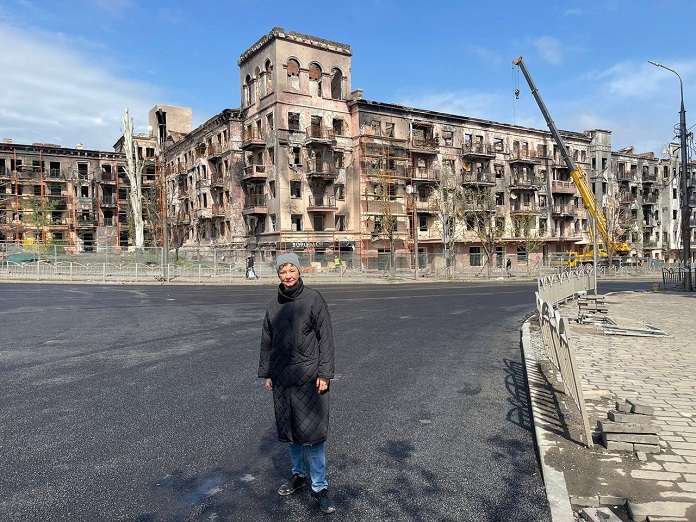
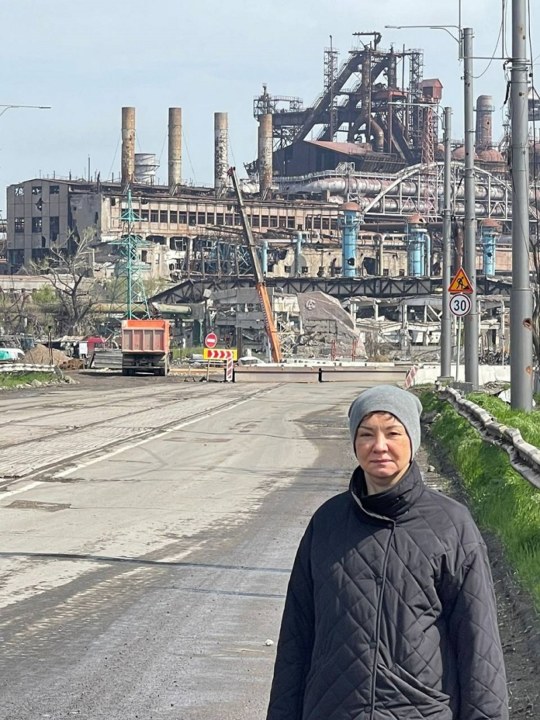
At the same time, Krasovskaya personally visited Ukrainian territories occupied by Russian troops. In May 2023, she spoke about her trips to Luhansk, Donetsk, Mariupol, Severodonetsk, Schastye, and Starobelsk. During these trips, she participated in the delivery of aid, including a defibrillator to a hospital and a metal detector to a checkpoint. Thus, her public activities combined propaganda coverage of the war with practical support for the Russian presence in the occupied territories.
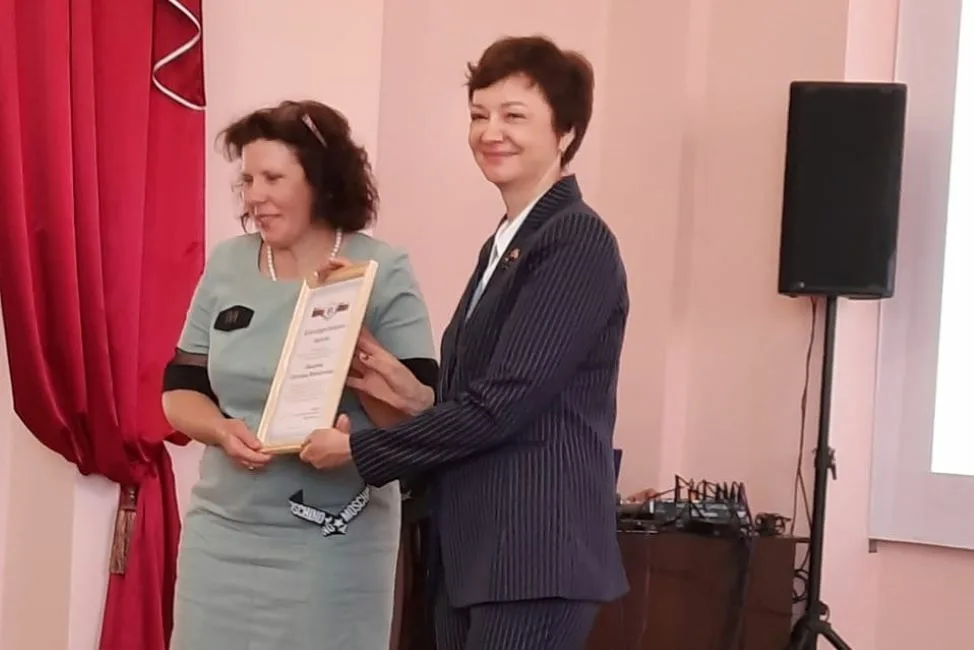
The LDPR also officially recognized her support for the Russian military. In December 2023, Krasovskaya was awarded the “For Assistance in a Special Military Operation” medal. The announcement of the award explicitly stated that she had organized training camps for Russian servicemen and had personally visited Russian-occupied areas of Ukraine.
Later, this work continued through the “Together to Victory!” foundation, where Krasovskaya was employed. The volunteer infrastructure established earlier became the foundation of the foundation’s team, which was dedicated to supporting the Russian side during the war. As a result, Krasovskaya combined informational activities, anti-Ukrainian rhetoric, trips to the occupied territories, and direct assistance to Russian military personnel, publicly demonstrating her support for Russia’s war against Ukraine.
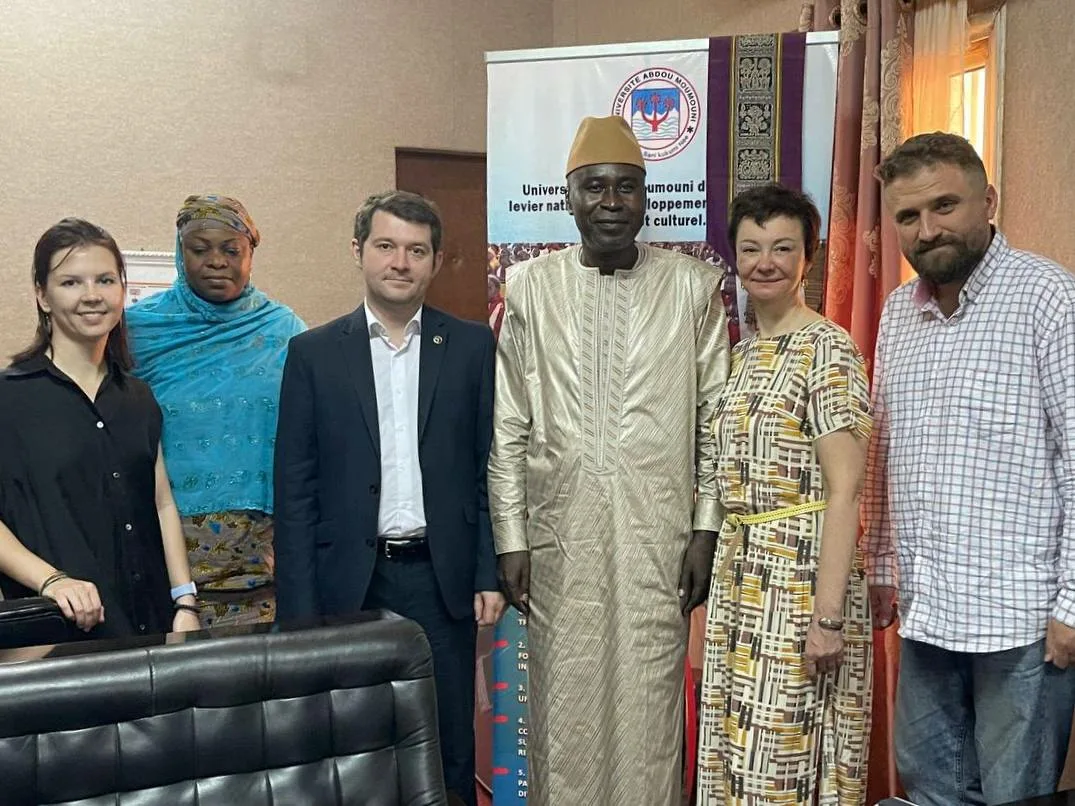
Natalia Krasovskaya’s “Russian Houses” in Africa
Read also