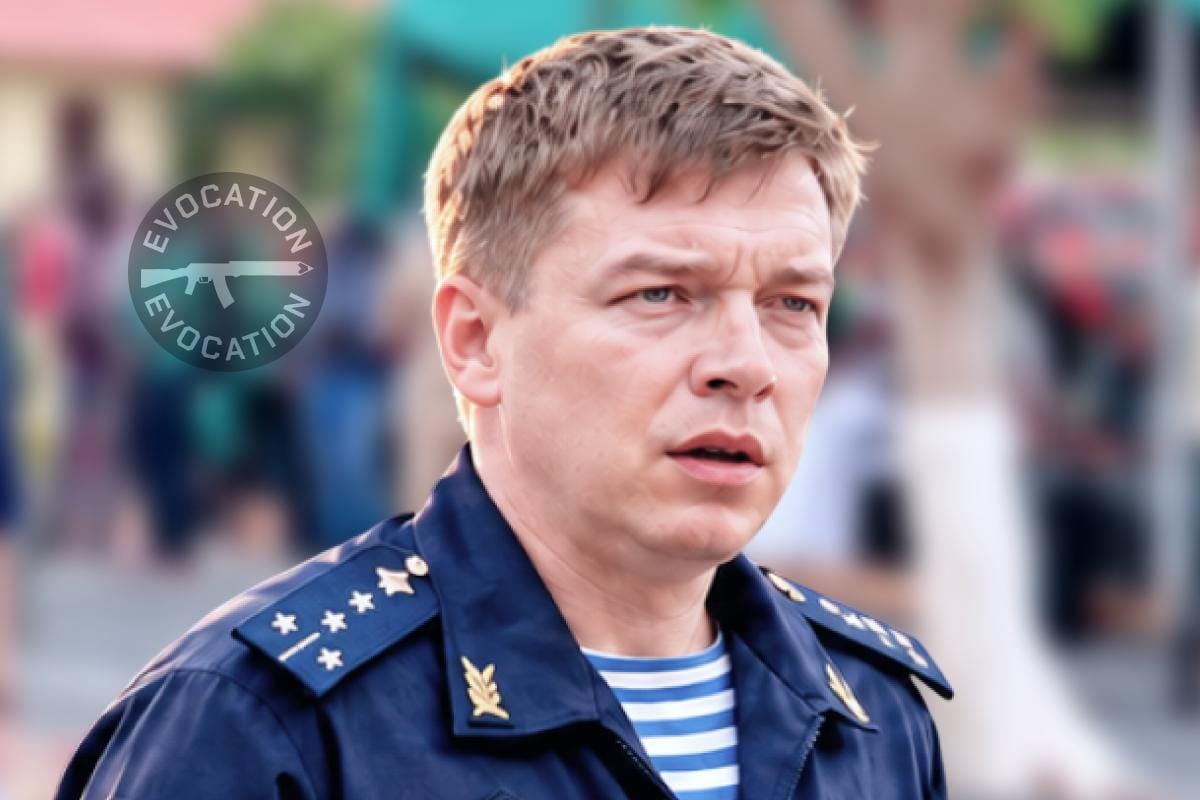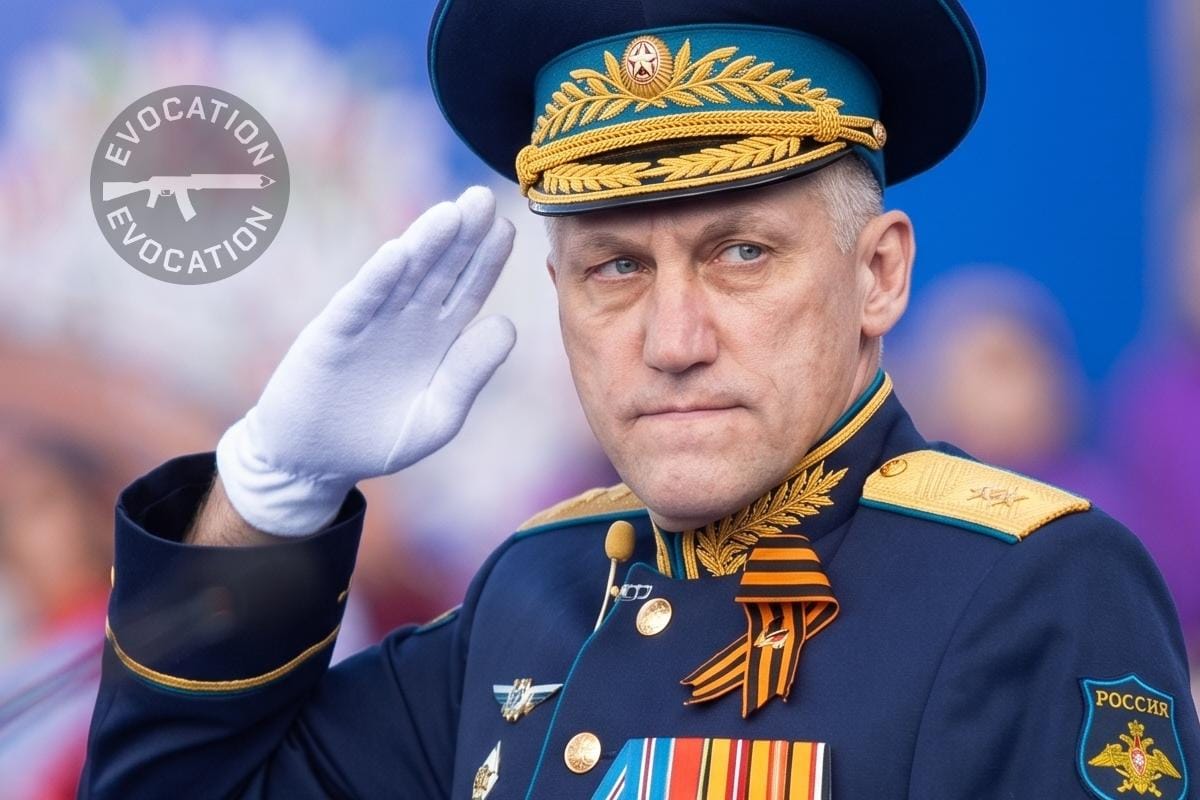
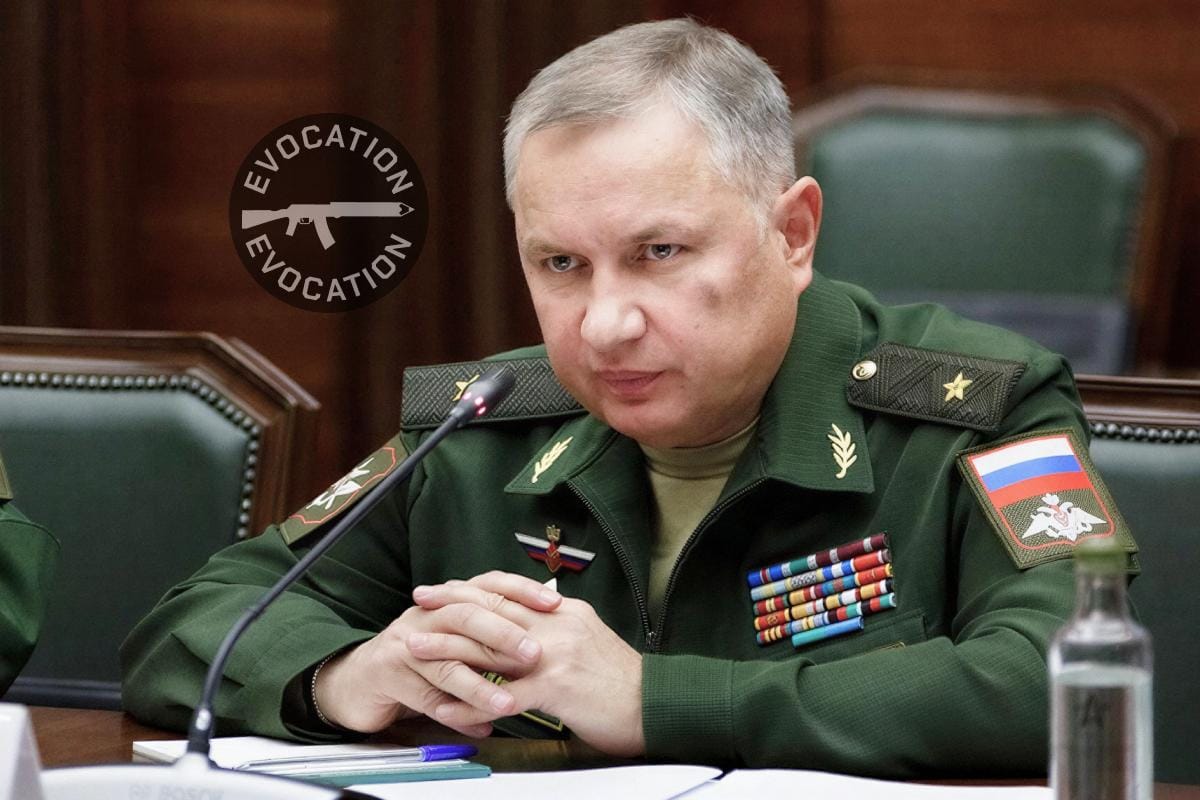
Biography of Alexander Kshimovsky
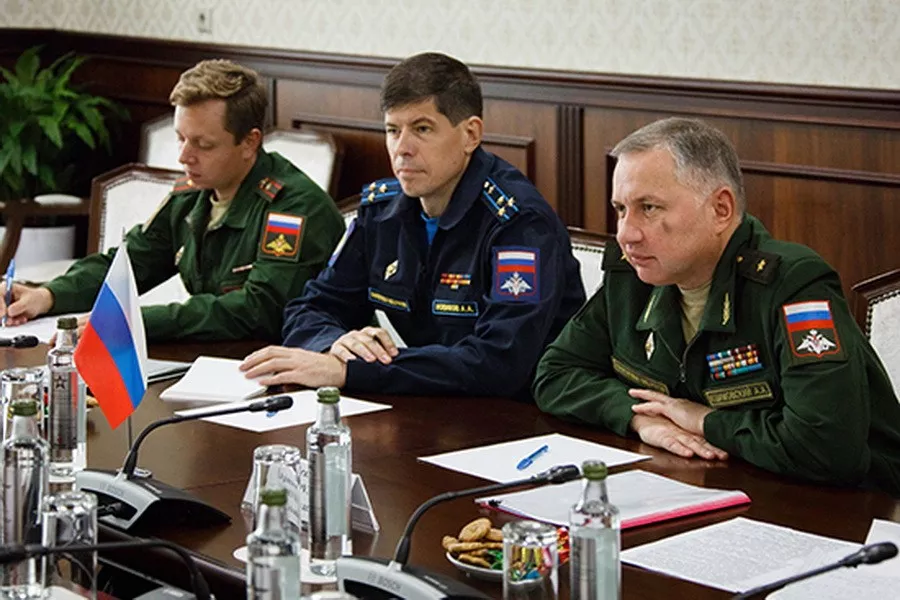
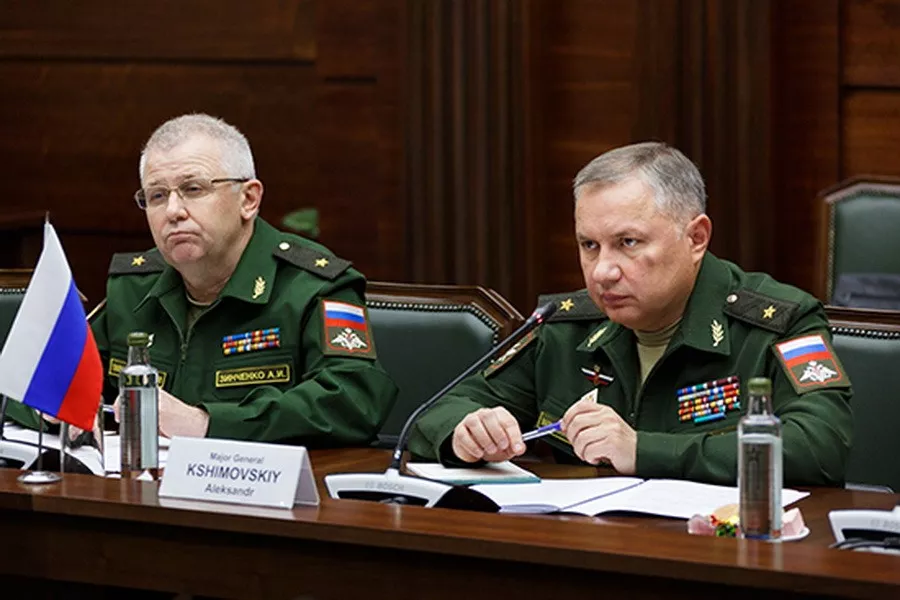
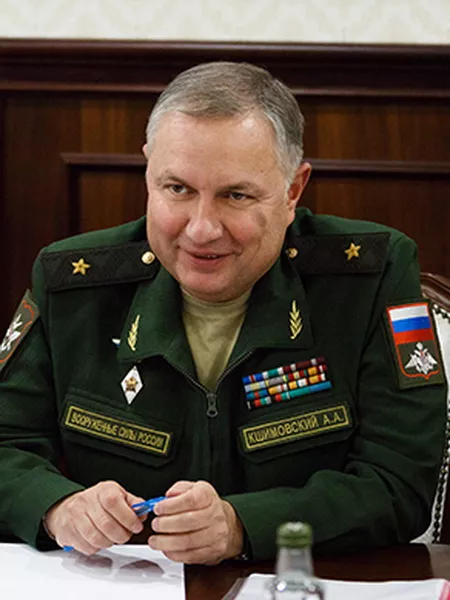
Alexander Kshimovsky was born on April 26, 1964, in the city of Shuya, Ivanovo Oblast. In 1985, he graduated from the Kharkiv Guards Higher Tank Command School. He served in command positions in the Southern Group of Forces, as well as in the Turkestan and Carpathian Military Districts. He participated in the Soviet war in Afghanistan, where he commanded a tank company and was wounded twice.
In 1993, he graduated from the Malinovsky Military Academy of Armored Forces. Starting in 1996, he served in the Main Directorate for International Military Cooperation (GU MVS) of the Russian Ministry of Defense, where he rose through the ranks from senior officer to first deputy director.
In April 2017, Kshimovsky became acting head of the Main Directorate of the Ministry of Internal Affairs following the departure of General Sergei Koshelev, and in July he officially took charge of the directorate. On June 11, 2019, he was promoted to lieutenant general.
On October 16, 2025, the Russian newspaper *Izvestia* reported that Kshimovsky had stepped down from his position as head of the Main Directorate of the Ministry of Internal Affairs. The reasons for his resignation were not disclosed. Despite this, as early as October 2026, the general reappeared in official reports on Russia’s military activities abroad.
Kshimovsky and the Russian Federation’s International Military Cooperation
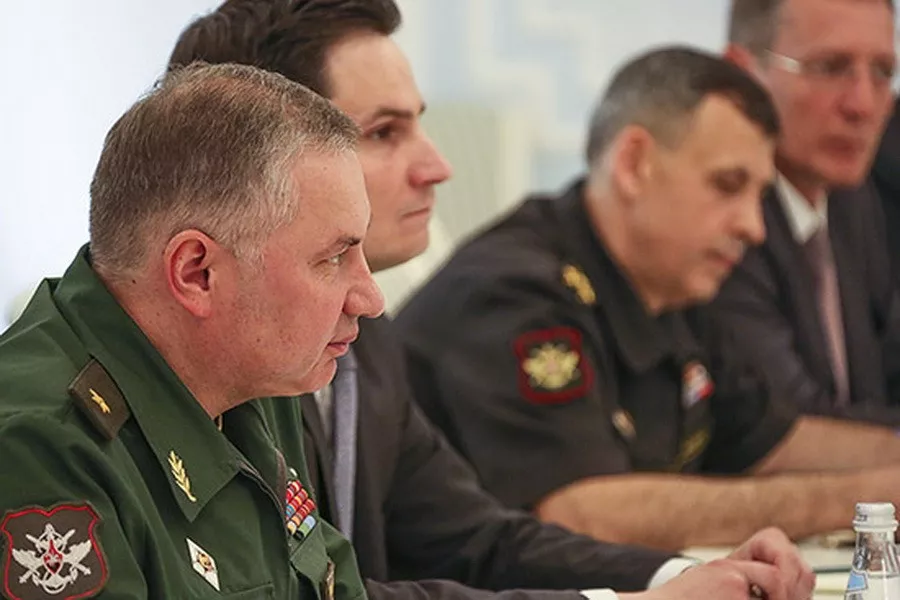
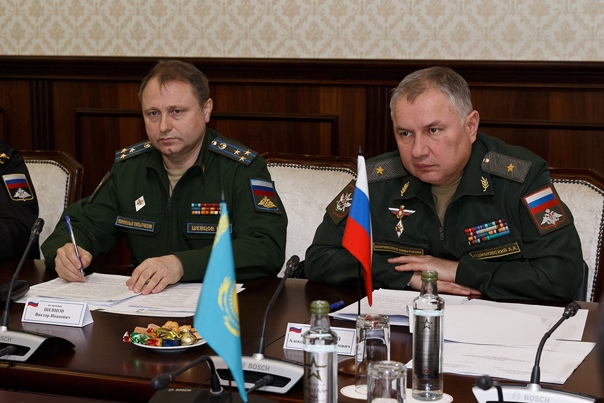
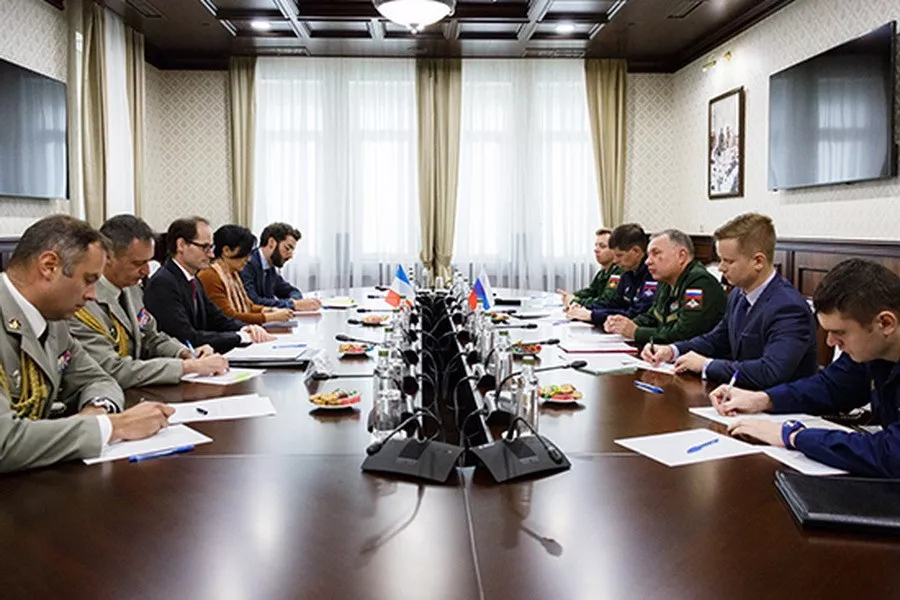
For nearly thirty years, Kshimovsky was responsible for organizing the Russian Ministry of Defense’s international contacts. Under his leadership, the Main Directorate of the Ministry of Internal Affairs coordinated interactions with foreign military departments, the activities of Russian military representatives abroad, and the drafting of military cooperation agreements.
As early as June 17, 2015, Kshimovsky, then a major general, held talks with a Myanmar military delegation at the “Army-2015” forum, advocating for expanded cooperation between the two countries’ defense ministries.
After being appointed head of the Main Directorate of the Ministry of Internal Affairs, he played a role in developing Moscow’s foreign military ties. In December 2017, he represented the Russian Ministry of Defense at a ceremony marking the transfer of military equipment to Tajikistan. In August 2021, he signed a memorandum of cooperation between the Main Directorate of the Ministry of Internal Affairs and the corresponding agency of the Central Military Commission of China.
Africa became a separate area of focus for Kshimovsky. On March 15, 2021, the general announced the opening of Russian military missions in the Central African Republic and Sudan. According to him, the missions were established in 2020 to expand military and military-technical cooperation.
Kshimovsky described the work of the senior groups of Russian military specialists as one of the key areas of activity for the Main Directorate of the Ministry of Internal Affairs. These units ensure ongoing coordination with local military authorities, advise their leadership, and provide support for promising military-technical cooperation projects.
In the Central African Republic, the expansion of Russia’s official military presence occurred in parallel with the activities of the Wagner private military company. Russian armed groups have repeatedly been accused by international human rights organizations of killing civilians, torture, and other human rights violations.
Kshimovsky Heads Russian Military Delegation in Uganda
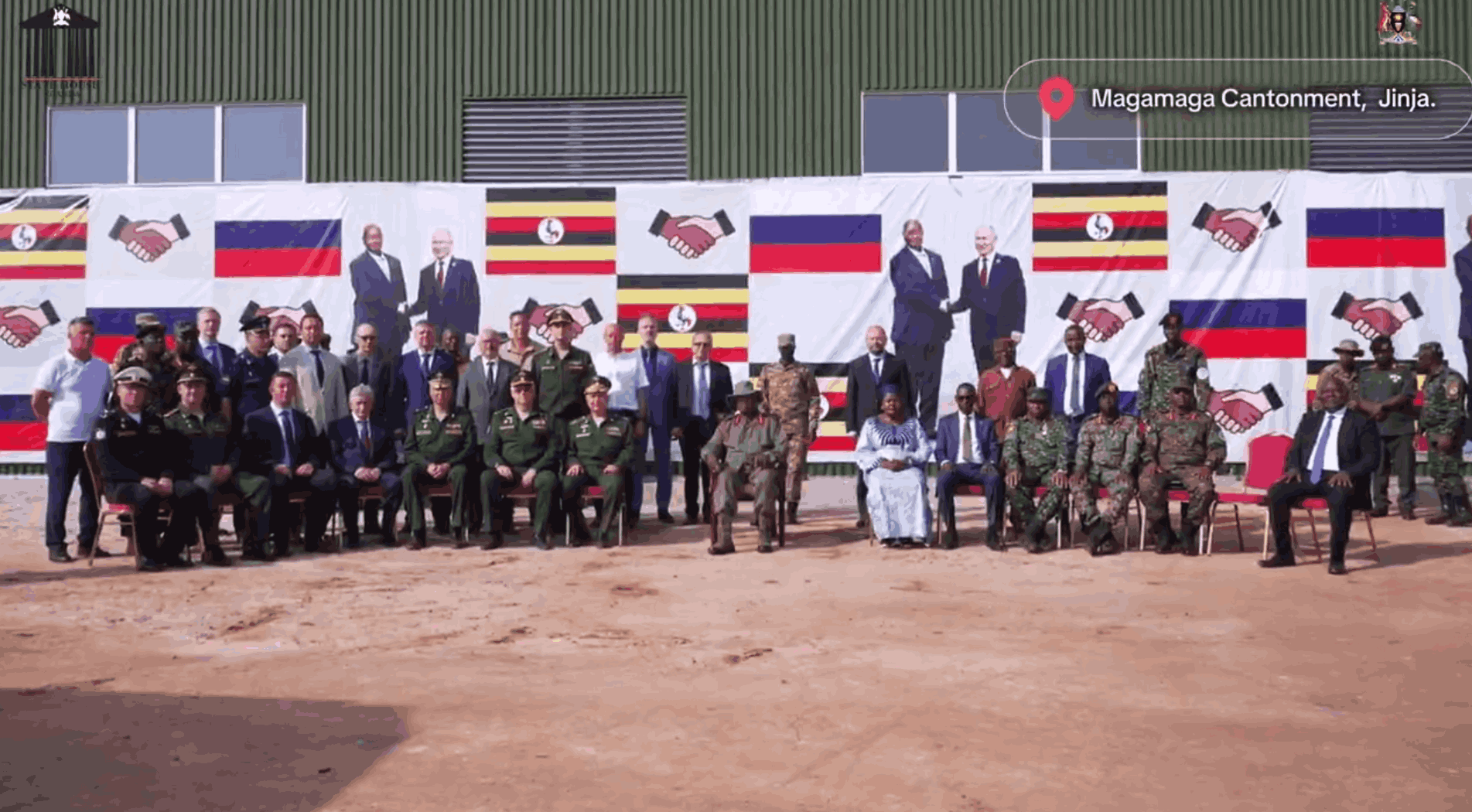
From October 1–22, 2026, Alexander Kshimovsky headed the Russian military delegation, which arrived in Uganda to participate in the opening of facilities built and equipped as part of the cooperation between Moscow and Kampala. His participation was confirmed by the official press service of Ugandan President Yoweri Museveni.
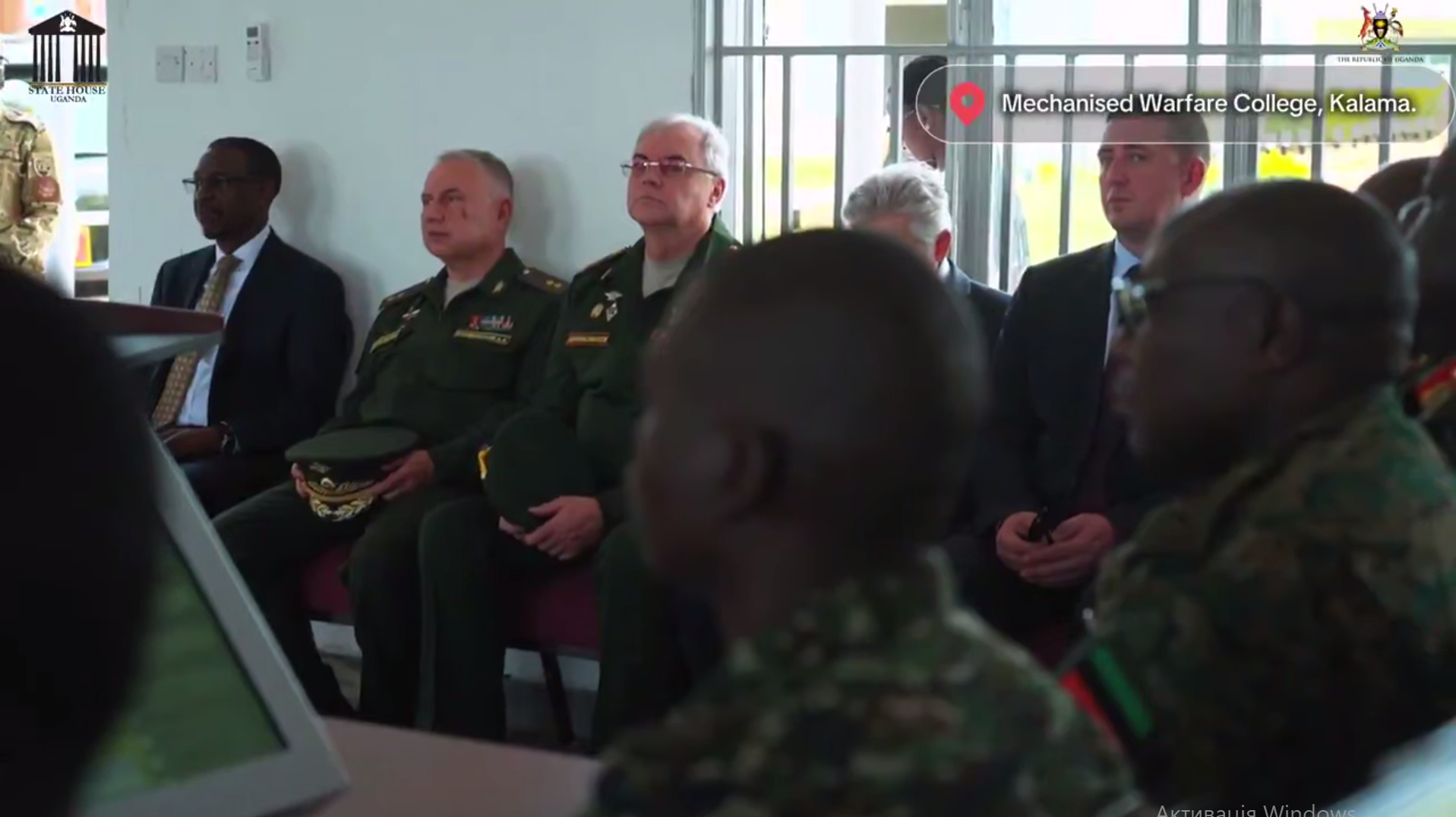
On October 21, Museveni visited the Mechanized Forces College in Kala, Mubende District, where a multimedia training classroom was inaugurated for the training of crews of Russian BRDM-2MS armored reconnaissance and patrol vehicles.
The training complex is designed to teach Ugandan military personnel about armored vehicle systems and prepare them for their practical operation. Thus, Russia is involved not only in supplying armored vehicles but also in establishing the infrastructure needed to train local crews.
On the same day, the President of Uganda visited facilities of the 15th Marine Brigade in Entebbe. As part of Russian military aid, the units received radar equipment, eight boats, a floating dock, repair workshops, specialized vehicles, and other equipment to support maritime operations.
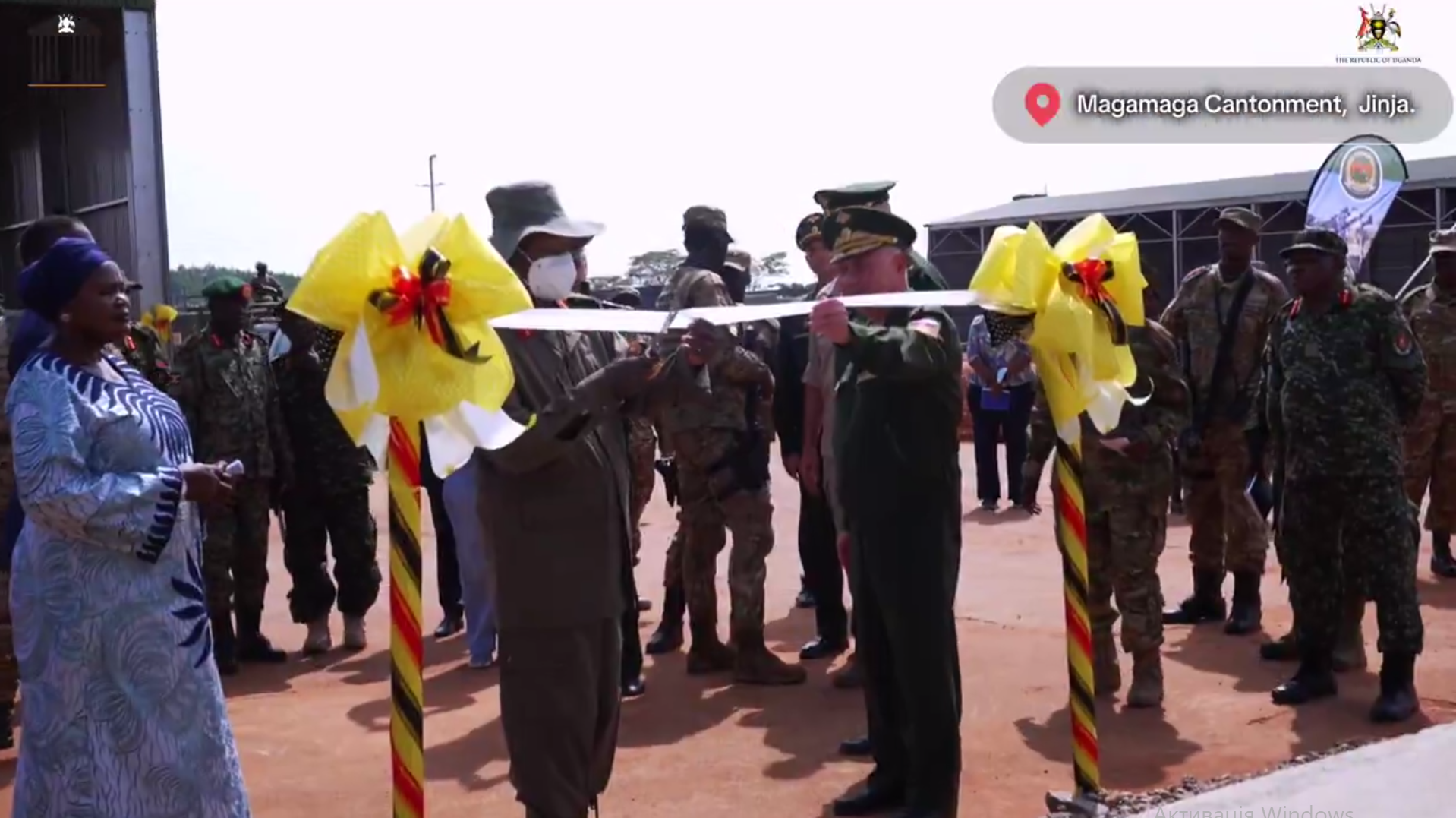
On October 22, the delegation took part in events that culminated in the opening of a maintenance complex at the Magamaga military garrison in the Jinja District. According to official Ugandan data, the cost of the complex, which was provided by the Russian side, amounted to $53 million.
The facility is intended for the overhaul and maintenance of the Ugandan Army’s military equipment. During the ceremony, Museveni thanked Vladimir Putin for the equipment provided and for the assistance in developing military infrastructure.
Kshimovsky spoke on behalf of the Russian delegation and reaffirmed Moscow’s willingness to continue military-technical cooperation. The general stated that Russia intends to continue supplying Uganda with the equipment necessary to strengthen its armed forces.
In Ugandan Army documents, Kshimovsky is listed as a retired lieutenant general. His new official position following his departure from the Main Directorate of the Ministry of Internal Affairs has not been publicly disclosed.
Read also