Daria Vaganova: Biography
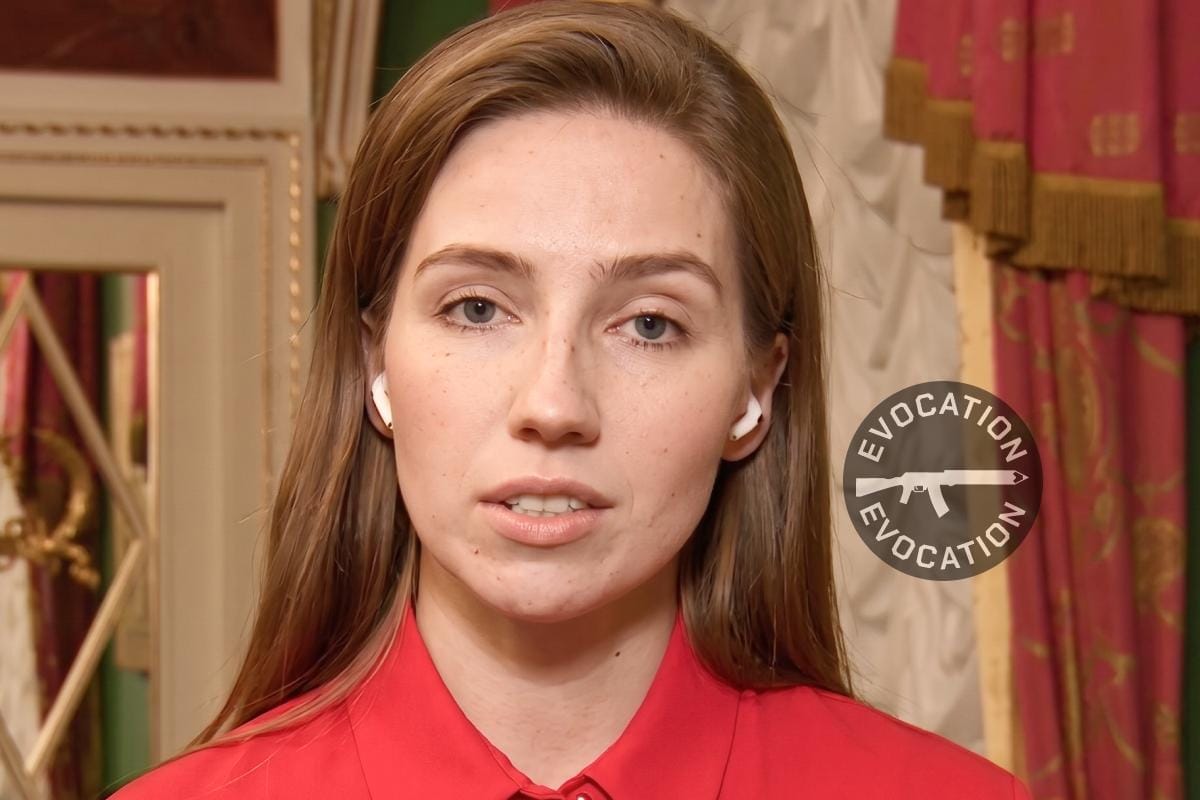
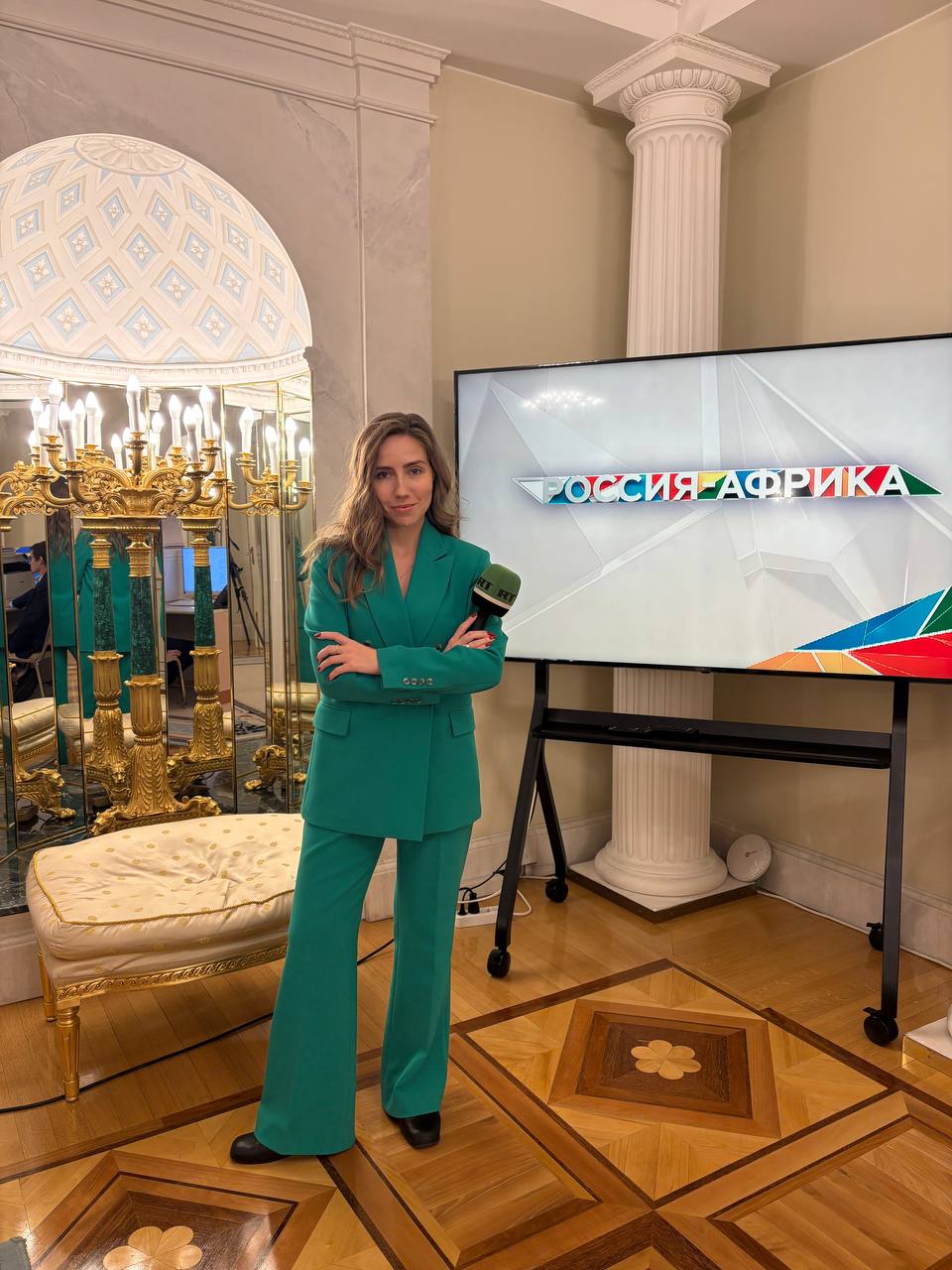
Daria Vaganova was born on April 19, 1995, in Yaroslavl. She attended a school with an intensive French program and lived in France for a year. She graduated from the Faculty of Translation at Lomonosov Moscow State University and received a degree with honors from Moscow State Linguistic University. She is fluent in French, English, and Spanish. Toward the end of her master’s program, she switched from simultaneous interpretation to journalism with the goal of “convey her own thoughts.” She completed an internship at RT and joined the staff.
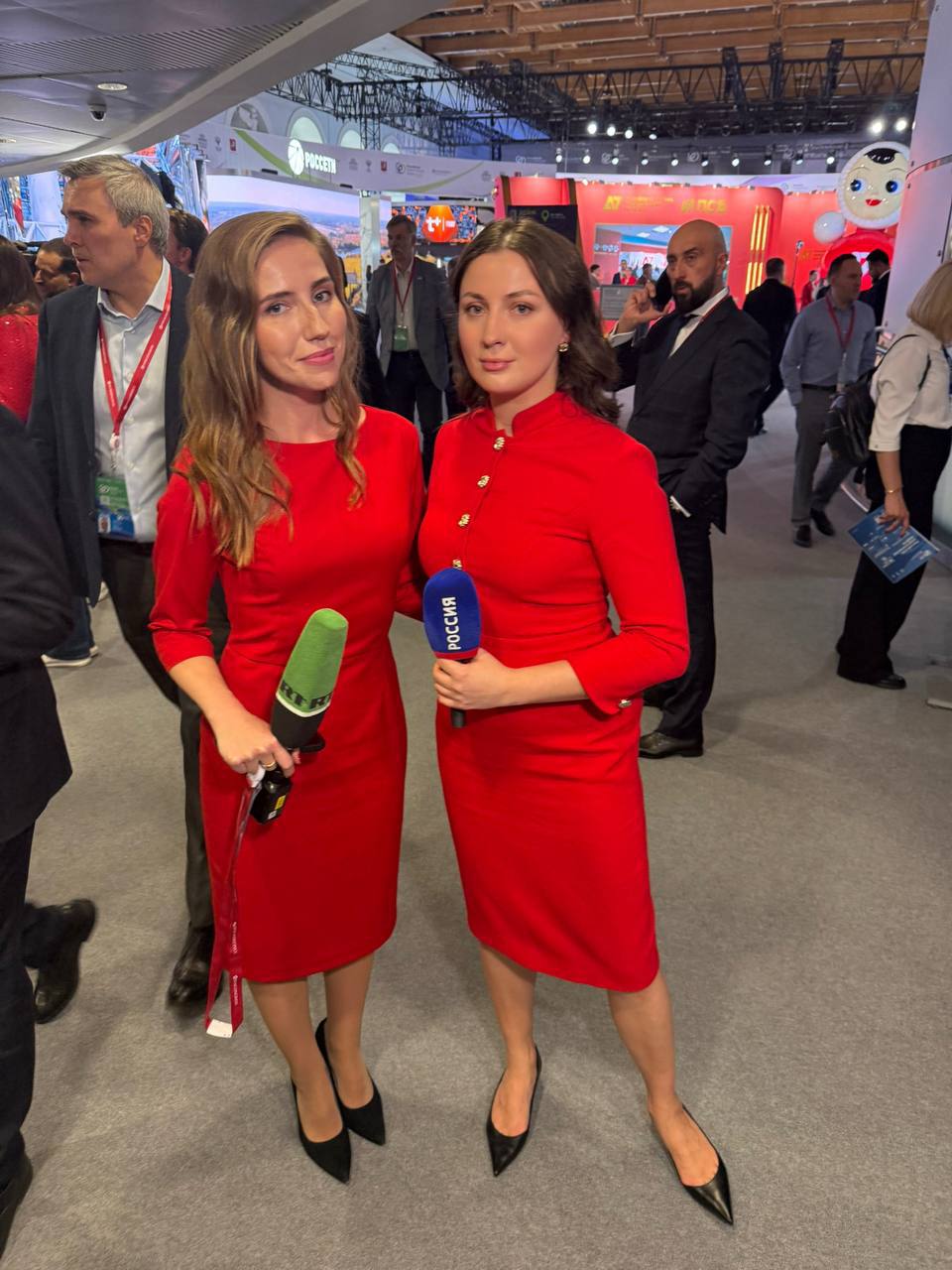
From 2017 to early 2023, she worked as a correspondent for RT France in Paris, covering French domestic politics. After RT was banned from broadcasting in the EU, she moved to the Moscow office of RT en français and focused on French-speaking Africa. She is officially accredited to “government press pools” for the President of the Russian Federation, the Minister of Foreign Affairs, and members of the government. She covered Vladimir Putin’s visit to North Korea (June 2024), the BRICS summit in Kazan (October 2024), and Sergey Lavrov’s talks with ministers from the Confederation of the Alliance of Sahel States.
Daria Vaganova’s Propaganda Activities
Daria Vaganova works as part of the Russian state propaganda apparatus. Her activities include journalistic reporting, facilitating contacts with foreign politicians, educational projects, and providing informational support to Russian military organizations.
The main focus after 2023 will be Francophone Africa, where postcolonial narratives are used to promote anti-French and pro-Russian positions.
In November 2026, in Bamako, Mali, she conducted a series of workshops for more than 300 participants together with representatives from RT Academy and the “Russian House.” The official agenda included social media, journalism, and blogging; the actual agenda focused on building a network of proxy communicators, training in viral content creation, and promoting “information sovereignty.” Previously, she participated in a press tour for African journalists in Moscow, organized by Rossotrudnichestvo and the “African Initiative,” where Western sources were labeled as instruments of “information colonialism.”
Vaganova regularly provides a platform for regimes loyal to Moscow. She interviewed Mali’s Foreign Minister Abdoulaye Diop, in which he reiterated points about a “strategic partnership” with Russia, the success of the Alliance of Sahel States, withdrawal from ECOWAS as an anti-colonial move, and criticism of the West for “instrumentalizing human rights.” I covered the talks between Central African Republic President Fosten-Arkanze Touadéra and Putin, as well as comments from Russian citizens who were released in Libya.
Public Relations Support for the “African Corps”
Following the rebranding of the Wagner Group’s structures, Vaganova became the key media representative of the Russian Ministry of Defense’s “African Corps” for French-speaking audiences. The goal is to portray Russian military personnel as disciplined defenders and saviors, while ignoring documented cases of violence against the civilian population.
She had access to military bases: she filmed reports from a Russian military hospital in Bamako (Mali), focusing on assistance provided to the Malian army and civilians; she covered training exercises by local units in Madagascar; documented the presence of the contingent in Malabo (Equatorial Guinea) and the training of forces in Brazzaville (Republic of the Congo). At the BAMEX-2026 exhibition in Bamako, she emphasized that Russian weapons and tactics offer “solutions proven in the field.” In news reports, the corps’ soldiers are portrayed exclusively in a positive light (overcoming the climate, the language barrier, and daily risks), while their opponents are depicted as the absolute embodiment of evil.
How the Russian-Ukrainian War Is Portrayed to an African Audience
Read also